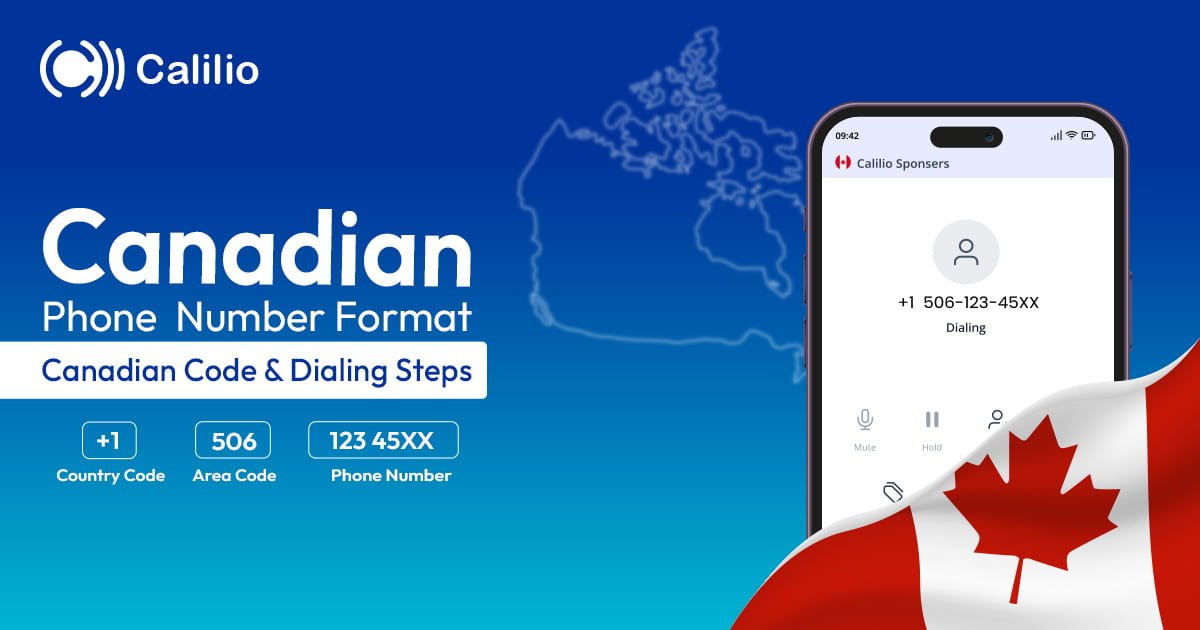
Whether you're reaching out to a friend in Vancouver, closing a deal in Toronto, or simply trying to understand that sequence of digits on a business card, mastering Canadian Phone Number Formats, Area Codes, and Geographic Data is more than just memorizing numbers. It's about understanding a logical system designed for seamless communication across a vast and diverse country, often intertwined with its North American neighbor. This guide will demystify the system, ensuring your calls connect every time.
Connecting with Canada shouldn't feel like deciphering a secret code. By understanding the core structure of a Canadian phone number and the simple rules that govern dialing, you'll gain confidence and clarity.
At a Glance: Your Quick Guide to Canadian Phone Numbers
- Country Code: Always
1for Canada, shared with the U.S. - Standard Format: 10 digits: Area Code (3 digits) + Exchange Code (3 digits) + Subscriber Number (4 digits).
- Area Codes (NPA): Over 40 active codes, with the first digit always between 2 and 9. They map to specific geographic regions.
- Dialing within Canada: Generally, dial the full 10-digit number.
- Dialing from Abroad: Use your International Access Code (IAC) +
1+ the 10-digit Canadian number. - Toll-Free Numbers: Start with
800,833,844,855,866,877,888. Often require dialing1first within Canada. Not typically reachable from outside North America. - E.164 Format: The international standard is
+1NPANXXXXXX(e.g.,+12505550199).
The DNA of a Canadian Phone Number: Decoding the NANP Standard
At its heart, the Canadian phone system operates under the North American Numbering Plan (NANP). This is why Canadian numbers feel so familiar to anyone used to dialing in the United States: both countries share the same country code, 1, and a consistent 10-digit numbering structure. This standardization simplifies cross-border communication significantly.
Every Canadian phone number, whether it's for a traditional landline or a cutting-edge mobile device, adheres to this 10-digit pattern: Area Code + Exchange Code + Subscriber Number.
The Three Pillars of a Canadian Number: NPA-NXX-XXXX
Let's break down these essential components:
- Country Code (CC): The
1that Unites
- This is the international identifier for Canada. When you're calling Canada from another country, you'll always precede the 10-digit number with
1(after your own country's International Access Code). Think of it as Canada's postal code for international calls.
- Area Code (NPA): Your Geographic Navigator
- The first three digits of a 10-digit Canadian phone number form the Area Code, also known as the Numbering Plan Area (NPA). These codes are geographically assigned, though increasingly, some larger regions use "overlay" area codes, meaning multiple codes serve the same physical area.
- Canada boasts over 40 active area codes, each pointing to a specific province or region. For instance,
416is a well-known area code for Toronto, Ontario, while604serves Vancouver, British Columbia. A key rule to remember: the first digit of any valid Canadian area code must be between2and9(it will never be a0or1).
- Exchange Code (NXX): The Local Connector
- Following the area code are the three digits of the Exchange Code. This part of the number identifies a smaller service area within the broader geographic region, routing your call through the correct local telephone exchange or network. In essence, it narrows down the location of the phone line considerably.
- Subscriber Number (XXXX): Your Unique Endpoint
- The final four digits are the Subscriber Number, the unique identifier for a specific telephone line within that particular exchange. This is the part that distinguishes your phone from your neighbor's, even if you share the same area code and exchange code.
Dialing Within Canada: Local vs. Long Distance
Making a call within Canada is straightforward, but there are a few nuances to be aware of, especially concerning the optional 1 prefix.
The Standard: 10-Digit Dialing
For the vast majority of calls placed within Canada, you'll simply dial the full 10-digit number: Area Code + Exchange Code + Subscriber Number (e.g., 416-555-1234). This applies whether you're calling across the street or across the province.
When to Use the 1 Prefix (and When it's Optional)
The 1 acts as a "trunk prefix" for long-distance calls within the NANP.
- Landlines: If you're calling a number that is considered "long distance" from a landline phone (i.e., outside your local calling area, even within the same area code in some older configurations), you may need to dial
1before the 10-digit number. However, with the widespread adoption of 10-digit dialing, this distinction is blurring. - Toll-Free Numbers: Canadian toll-free numbers (those starting with
800,833,844,855,866,877,888) generally require you to dial1before the 10-digit number from a landline (e.g.,1-800-123-4567). From most mobile phones, the1might be optional, but it never hurts to include it if you're unsure.
Exceptions to the Rule: 7-Digit Dialing
In a few specific and increasingly rare cases, particularly for older area codes like 807 (Northwestern Ontario) and 867 (Yukon, Northwest Territories, and Nunavut), calls within those numbering plan areas may still be initiated using only seven digits (Exchange Code + Subscriber Number). However, it's always safest and most reliable to default to 10-digit dialing.
Getting More Information
For specific details on local vs. long-distance calling, or to understand how certain numbers are provisioned, you might find it helpful to generate Canadian phone numbers to see how they're structured and what details are associated with them. This can offer practical insights into the system.
Navigating the Canadian Area Code Landscape: By Province and Major Cities
Canada's vast geography and population density mean that area codes are a dynamic system, evolving to meet demand. While we won't list all 40+ here, understanding their distribution helps you identify the general origin of a call.
Many provinces have multiple area codes, especially the more populous ones like Ontario, Quebec, British Columbia, and Alberta. This can happen in two main ways:
- Geographic Splits: An existing area code region is divided into two or more smaller regions, each assigned a new area code.
- Overlay Area Codes: A new area code is introduced to serve the same geographic area as an existing one, without splitting the territory. This means two or more area codes coexist in the same city or region, requiring 10-digit dialing even for local calls to prevent confusion. Toronto's
416,647, and437(among others) are prime examples of this.
When a new area code is introduced, it's typically due to population growth, the proliferation of mobile phones, and the increasing demand for new numbers. This ensures there's always a fresh supply of unique numbers for new subscribers.
Calling Canada from Abroad: Your International Dialing Blueprint
Calling Canada from outside the NANP requires a slightly longer sequence, but it's consistent across the globe.
The Full Sequence: IAC + 1 + Area Code + NXX + XXXX
To call Canada from any international location, you'll need three main components:
- Your Country's International Access Code (IAC) / Exit Code: This tells your phone system you're making an international call. Common examples include
00(for much of Europe, Asia, and Africa) or011(for the United States and other NANP countries). - Canada's Country Code (
1): As established, this is always1. - The 10-Digit Canadian Number: The Area Code, Exchange Code, and Subscriber Number.
Example from Mexico:
If you're in Mexico and want to call416-555-1234in Toronto, you'd dial:00(Mexico's IAC) +1(Canada's CC) +416-555-1234. So,00 1 416 555 1234.
Example from Japan:
To call604-321-9876in Vancouver from Japan, you'd dial:010(Japan's IAC) +1(Canada's CC) +604-321-9876. So,010 1 604 321 9876.
The Power of + on Mobile Phones
Modern mobile phones offer a shortcut: simply use the + symbol in place of your country's International Access Code. Your phone automatically determines the correct IAC based on your location.
- From Mexico:
+1 416 555 1234 - From Japan:
+1 604 321 9876
This is often the easiest and most reliable method for international dialing from a mobile device.
Canadian Toll-Free Numbers from Abroad
This is an important distinction: Canadian toll-free numbers (e.g., 1-800-XXX-XXXX) are generally not accessible from outside North America. Because the NANP is shared with the United States, you can typically dial a Canadian toll-free number from the U.S. (and vice-versa). However, if you're trying to reach a Canadian 1-800 number from Europe, Asia, or another continent, your call will likely not connect. For international callers, businesses typically provide a regular, non-toll-free number.
Identifying a Valid Canadian Phone Number: What to Look For
Need to verify if a number is truly Canadian? Here’s a quick checklist:
- 10-Digit Core: After the country code
1(if present), it must be a 10-digit number. - Area Code First Digit: The first digit of the three-digit area code must be between
2and9. It cannot be0or1. This is a universal NANP rule. - International Format: When written for international dialing, it should appear as
+1followed by the 10-digit number (e.g.,+12505550199). This is known as the ITU Recommendation E.164 format and is the global standard for representing telephone numbers for international telecommunication.
Beyond the Basics: Important Considerations for Callers
Making a successful call to Canada involves more than just the correct digits.
Account for Time Zones
Canada spans six primary time zones, from Newfoundland Time (UTC-2:30 or -3:30 in DST) to Pacific Time (UTC-8 or -7 in DST). Before you dial, quickly check the time difference to avoid calling at an inconvenient hour. A call from London (GMT) to Vancouver (Pacific Time) means a roughly 8-hour difference, for instance!
Check Your International Calling Plan
If you're calling from abroad, ensure your mobile or landline plan includes international calling to Canada, or that you've activated an international calling package. Without one, your call might not go through, or you could incur significant per-minute charges. Many common call failures stem from a lack of an active international calling plan.
Beware of Premium Numbers
While less common for inbound calls to Canada, it's worth knowing about certain number types within the NANP:
- 976 Numbers: In some regions, certain central office codes like
976were historically (and sometimes still are) designated for "premium" services, billed at a higher rate. - 900 Numbers: These are classic "premium-rate telephone numbers" used for things like horoscopes, pay-per-call services, or adult entertainment, incurring significant charges per minute. While legitimate businesses generally don't use these for customer service, it's good to be aware.
Common Failures: Why Your Call Might Not Connect
If your call to Canada isn't going through, here are the usual suspects:
- Incorrect Dialing Format: The most common culprit. Double-check your International Access Code, the
1country code, and the 10-digit Canadian number. - No International Calling Plan: Your service provider might be blocking the call if you haven't enabled international dialing.
- Network Issues: Less common, but sometimes a temporary network glitch can prevent a call.
- Blocked Numbers: The recipient may have blocked your number.
- Toll-Free Limitations: Trying to call a Canadian toll-free number from outside North America.
Frequently Asked Questions About Canadian Phone Numbers
Is '1' always required when dialing a Canadian number?
When calling within Canada, you generally dial the 10-digit number (Area Code + 7-digit number). The 1 prefix is typically only needed for long-distance calls from landlines, or for toll-free numbers, although it's often optional from mobile phones. When calling from outside Canada, 1 is always required as the country code.
Are Canadian mobile numbers different from landline numbers in format?
No. Both Canadian mobile and landline numbers follow the exact same 10-digit Area Code + Exchange Code + Subscriber Number format under the NANP. You cannot tell if a number is mobile or landline simply by looking at its digits.
Can I call Canadian toll-free numbers (like 1-800) from anywhere in the world?
No. Canadian toll-free numbers are generally only accessible from within Canada and from the United States, due to the shared North American Numbering Plan infrastructure. From other international locations, these numbers typically won't connect.
How do I know if a number is truly Canadian?
A valid Canadian number will have a +1 country code when written in international format, followed by a 10-digit number where the area code's first digit is between 2 and 9. If it starts with +1 but the area code starts with 0 or 1, or if it's not 10 digits after the +1, it's likely invalid or not Canadian.
What is the E.164 format for Canadian numbers?
The E.164 format is the international standard for representing phone numbers. For Canadian numbers, it's +1NPANXXXXXX, where NPA is the Area Code, NXX is the Exchange Code, and XXXX is the Subscriber Number. An example is +12505550199.
Your Next Call: Mastering Canadian Phone Numbers with Confidence
Understanding Canadian Phone Number Formats, Area Codes, and Geographic Data means more than just punching in digits; it’s about appreciating the logical, standardized system that facilitates communication across Canada and beyond. From the foundational +1 country code to the precise geographic indicators of area codes, each element plays a crucial role.
With this guide, you're now equipped to dial Canadian numbers with confidence, whether you're calling across provinces or continents. Remember to double-check the 10-digit sequence, consider time zones, and ensure your international calling plan is in order. Happy dialing!