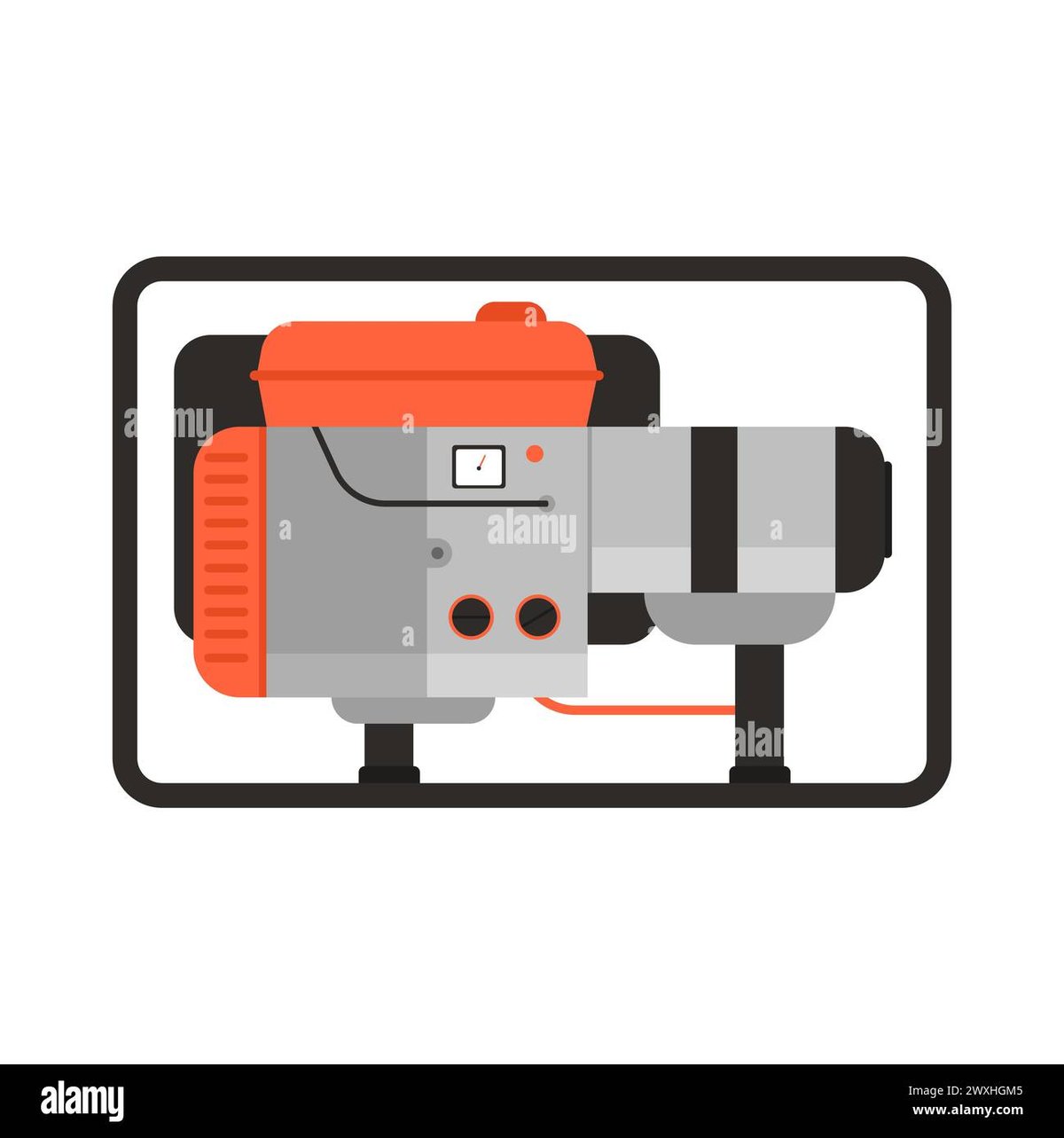
Imagine the quiet hum of a refrigerator, the gentle glow of lights, or the critical whir of medical equipment – all powered seamlessly. Now imagine that power disappearing in an instant. That's where a generator tool becomes not just a convenience, but a crucial lifeline. These unassuming machines transform mechanical energy into the electricity that keeps our modern lives running, whether you're battling a sudden blackout, working remotely, or enjoying the great outdoors far from the grid.
But what exactly makes one generator different from another? And how do you discern the essential from the "nice-to-have" features? As your seasoned guide, I’m here to demystify the core components and capabilities that define any generator, ensuring you’re well-equipped to understand, choose, and even troubleshoot these indispensable tools.
At a Glance: What Makes a Generator Tick
- Power Output (Wattage): How much electricity it can deliver, distinguishing between steady-state (running) and startup (starting) needs.
- Voltage Regulation: Keeps the power clean and consistent, protecting your sensitive electronics.
- Fuel Options: The type of fuel it runs on – gasoline, diesel, or propane – each with its own trade-offs.
- Portability: From lightweight camping models to stationary standby units, how easily it moves (or doesn't).
- Safety Systems: Crucial safeguards like overload protection and automatic shutoffs for low oil or overheating.
- Noise Level: Measured in decibels, determining how quietly (or loudly) it operates.
- Maintenance Needs: Regular checks and servicing essential for longevity and reliable performance.
- Advanced Features: Innovations like remote monitoring and parallel connectivity for added convenience and power.
- Environmental Impact: Emissions standards and eco-friendly alternatives to consider.
- Cost Considerations: The full financial picture, from initial purchase to long-term operational expenses.
Why Generators Matter: A Quick Primer
At its heart, a generator operates on the principle of electromagnetic induction. Think of it like this: a conventional engine, fueled by gasoline, diesel, or propane, spins an internal component called an alternator. This alternator, through the magic of magnets and coils, generates an electrical current that then flows out to power your devices. It’s a beautifully simple process with profound implications for everything from survival preparedness to recreational freedom.
You'll typically encounter a few main types of generators, each designed for specific scenarios:
- Portable Generators: These are your go-to for tailgating, camping, construction sites, or powering a few essentials during a short outage. They're designed for mobility, often with wheels and handles.
- Standby Generators: Permanently installed outside a home or business, these units kick in automatically within seconds of a power outage, providing seamless backup power to critical circuits or even an entire building.
- Inverter Generators: A specialized type of portable generator known for producing "cleaner" power, making them ideal for sensitive electronics like laptops and smartphones. They're typically quieter and more fuel-efficient, adjusting their engine speed to match power demand.
Understanding these basics sets the stage for diving into the specific features that truly differentiate one generator from another.
The Core of Your Generator's Muscle: Power Output
When you're evaluating any generator, the first question should always be: "How much power can it actually provide?" This isn't just a simple number; it's a critical calculation that determines what appliances and devices you can run.
Understanding Wattage: Running vs. Starting Power
Generator power is primarily measured in watts. You'll encounter two key wattage ratings:
- Running Wattage (or Rated Wattage): This is the continuous power a generator can supply day in and day out. It's the sustained energy required to keep your appliances operating once they're already on. For example, a refrigerator might need 600 running watts to maintain its chill.
- Starting Wattage (or Surge Wattage): Many appliances, especially those with motors like refrigerators, air conditioners, or power tools, require a much higher burst of power for a few seconds to kick-start their compressors or motors. This is the starting wattage. A refrigerator, while needing 600 running watts, might demand 1800 starting watts to get going. This surge is temporary but absolutely essential.
Practical Tip: Always list all the devices you plan to power, note both their running and starting wattages, and select a generator that can handle the combined running wattage of everything you'll operate simultaneously, plus the single highest starting wattage of any appliance you'll turn on. Don't underestimate starting wattage; it's a common pitfall.
Stable Power with Voltage Regulation
Think of voltage regulation as the generator's internal quality control. Electricity isn't just about how much power (watts) it has, but also how steady and consistent that power flow is. Unstable voltage can be detrimental, even destructive, to sensitive electronics.
Many modern generators come equipped with Automatic Voltage Regulation (AVR). This intelligent system constantly monitors the generator's output and makes real-time adjustments to keep the voltage within a safe and narrow range. It smooths out fluctuations, ensuring your devices receive clean, stable power, much like a good filter protects your water supply from impurities. For critical electronics—your computer, medical devices, or elaborate sound system—an AVR-equipped generator is non-negotiable.
Fueling Your Needs: Making the Right Choice
The type of fuel your generator uses significantly impacts its operation, longevity, and environmental footprint. Each option comes with its own set of advantages and disadvantages.
- Gasoline:
- Pros: Readily available at almost any gas station, making it convenient for quick refills. Generally, gasoline generators have a lower initial purchase price.
- Cons: Can be noisy, less fuel-efficient than diesel, and gasoline has a relatively short shelf life, requiring fuel stabilizers if stored. It's also more flammable than diesel, posing a higher fire risk. Expect to refuel gasoline generators more frequently during extended use.
- Diesel:
- Pros: Known for their durability and longevity, diesel engines are workhorses. They are typically more fuel-efficient, meaning longer run times on a single tank, and diesel fuel has a better shelf life than gasoline. Diesel is also less flammable, contributing to a safer operation.
- Cons: Diesel generators tend to be heavier, louder (though sound-dampening technology helps), and have a higher upfront cost. They also require more specialized maintenance.
- Propane (LPG):
- Pros: Propane burns cleaner than gasoline or diesel, resulting in lower emissions and often quieter operation. Propane fuel can be stored indefinitely without degradation, making it excellent for emergency preparedness. It's also safer to store than gasoline.
- Cons: Propane can be less fuel-efficient than diesel, and finding large quantities during a widespread emergency might be challenging. While many modern generators are "dual-fuel" (running on both gasoline and propane), a propane-only model might have reduced power output compared to its gasoline counterpart.
Consideration: Some advanced models offer dual-fuel or even tri-fuel capabilities, allowing you to switch between gasoline and propane, or even natural gas, for maximum flexibility. This can be a huge advantage for adaptability, especially if one fuel source becomes scarce.
Generators on the Go: The Power of Portability
The ability to move your generator is a defining characteristic for many users. Whether you're powering tools at different job sites or simply want the flexibility to use your generator for camping, portability features are key.
Compact Design
For maximum versatility, especially for recreational use or smaller backup needs, a compact design is essential. These generators are often lighter, sometimes weighing less than 50 pounds, making them easy to lift into a car trunk or carry short distances. Their smaller footprint also means they take up less storage space, a significant advantage for those with limited garage or shed room. Think about where you'll store it and how often you'll need to move it.
Kit Roda dan Pegangan (Wheel and Handle Kits)
For anything beyond the smallest, lightest generators, a sturdy set of wheels and a comfortable handle kit are non-negotiable. Even a mid-sized portable generator can weigh hundreds of pounds, making manual lifting impractical and unsafe.
- Wheels: Look for durable, all-terrain wheels that can navigate various surfaces, from gravel driveways to grassy campsites. Pneumatic (air-filled) tires offer better shock absorption, while solid, never-flat tires require less maintenance.
- Handles: Fold-down or telescopic handles make maneuvering the generator much easier, allowing you to pull or push it like a cart. Ergonomic grips prevent strain during transport.
These features drastically improve the usability of a generator, transforming a heavy, cumbersome machine into a manageable power source.
Safety First: Protecting Your Investment and Yourself
A generator is a powerful tool, and safety features are paramount to protect both the operator and the connected equipment. Never compromise on these essential safeguards.
Perlindungan Beban Berlebih (Overload Protection)
This is a critical safety mechanism that prevents the generator from being pushed beyond its capacity. If you try to draw more power than the generator can safely supply, the overload protection system will automatically trip a circuit breaker, much like the breakers in your home's electrical panel. This prevents overheating, potential damage to the generator's internal components, and fires. It's a non-negotiable feature for peace of mind.
Penutupan Otomatis (Automatic Shutoff)
Modern generators are equipped with intelligent sensors that monitor various operational parameters and will automatically shut down the unit if a problem is detected. This proactive measure prevents catastrophic damage and ensures safe operation. Common automatic shutoff triggers include:
- Low Oil Level: Running an engine without sufficient lubrication can quickly lead to irreparable damage. An automatic low oil shutoff system detects when oil levels drop below a safe threshold and powers down the generator before harm occurs.
- High Temperature: Overheating can be caused by various factors, including continuous heavy loads or inadequate ventilation. Temperature sensors will trigger a shutdown to prevent engine damage or fire.
- Fuel Leak Detection: Some advanced models include a fuel shutoff valve that automatically closes if a fuel leak is detected, significantly reducing the risk of fire or environmental contamination.
These automatic shutoff features are the generator's way of telling you, "Something's wrong, let's stop before it gets worse." They're invaluable for extending the life of your unit and ensuring user safety.
Keeping the Peace: Understanding Generator Noise Levels
One of the most common complaints about generators is their noise. An overly loud generator can be a nuisance for neighbors, disrupt quiet campsites, or make communication difficult on a job site.
Model Operasi Senyap (Quiet Operation Models)
If noise is a major concern, particularly for residential use, camping, or sensitive environments, look for generators specifically designed for quiet operation. These often incorporate:
- Inverter Technology: As mentioned earlier, inverter generators are inherently quieter because they can vary their engine speed based on the load, meaning they don't always run at full throttle.
- Sound-Dampening Enclosures: Many quiet generators feature specially designed casings with acoustic insulation and advanced muffler systems that significantly reduce operational noise.
- Vibration Reduction: Mounts and components designed to minimize vibration also contribute to a quieter overall experience.
Peringkat Decibel (dB Ratings)
Generator noise is measured in decibels (dB), and these ratings are usually listed in the product specifications. Here's a general guideline:
- Below 60 dB: Considered very quiet, akin to a normal conversation or a quiet air conditioner. Ideal for residential areas, camping, or situations where noise sensitivity is high. Inverter generators often fall into this category.
- 60-70 dB: Acceptable for many outdoor activities or construction sites where background noise is expected. Comparable to a vacuum cleaner or a busy office.
- Above 70 dB: Can be quite disruptive and is generally suitable only for very remote locations or noisy industrial settings. Comparable to a noisy restaurant or a garbage disposal.
When comparing models, a difference of just a few decibels can be significant, as the decibel scale is logarithmic (meaning a 10 dB increase represents a tenfold increase in sound intensity). Choose a dB rating that aligns with your intended use environment.
The Lifespan Factor: Essential Maintenance for Longevity
Like any engine-driven equipment, a generator requires regular maintenance to perform optimally and last for years. Neglecting maintenance is the quickest way to shorten its lifespan and compromise its reliability, especially when you need it most.
Penggantian Oli (Oil Changes)
Engine oil is the lifeblood of your generator. It lubricates moving parts, reduces friction, dissipates heat, and prevents wear.
- Frequency: Most manufacturers recommend changing the oil every 50-100 hours of operation or at least once a year, whichever comes first. Refer to your owner's manual for precise intervals.
- Checks: Always check the oil level before each use, especially if the generator has been stored for a while or if you're embarking on a long period of use. Low oil levels can trigger automatic shutoffs or, worse, lead to severe engine damage.
Using the correct type and viscosity of oil specified by the manufacturer is also crucial for performance and engine health.
Penggantian Filter (Filter Replacements)
Filters play a vital role in keeping impurities out of your generator's engine.
- Air Filter: The air filter prevents dust, dirt, and debris from entering the engine's combustion chamber, which could cause premature wear. It should be inspected regularly (e.g., every 50 hours of use or more often in dusty conditions) and replaced when dirty. A clogged air filter restricts airflow, reducing engine performance and fuel efficiency.
- Fuel Filter: The fuel filter ensures that only clean fuel reaches the carburetor or fuel injectors, preventing contaminants from clogging fuel lines or damaging engine components. Its replacement schedule varies by model and fuel type, but it's generally a good idea to check it annually or if you notice performance issues.
Regular filter maintenance helps maintain peak engine efficiency, reduces emissions, and extends the life of your generator.
Beyond the Basics: Smart Features for Modern Living
Technology continues to enhance generator functionality, offering features that provide greater convenience, control, and peace of mind.
Pemantauan Jarak Jauh (Remote Monitoring)
Imagine checking your generator's status from your smartphone, even if you're miles away. Remote monitoring capabilities, often facilitated through dedicated smartphone apps or web interfaces, allow you to:
- Check Fuel Levels: Know exactly how much run time you have left.
- Monitor Run Time: Track usage for maintenance scheduling.
- Receive Maintenance Alerts: Get notifications when it's time for an oil change or other service.
- Receive Fault Codes: Understand if there's a problem and what it might be.
- Start/Stop Functionality: Some systems even allow you to remotely start or stop the generator.
This feature is particularly valuable for standby generators, ensuring they're ready when needed, or for those who want to keep an eye on a generator operating at a remote cabin or worksite. For those interested in innovative ways to manage information, remote monitoring can often integrate with other digital tools, much like our Canadian phone number generator assists with data management.
Konektivitas Paralel (Parallel Connectivity)
Need more power than a single portable generator can provide, but don't want the bulk or cost of a much larger unit? Parallel connectivity is your solution. This feature allows you to link two smaller, often inverter-style, generators together using a special parallel kit.
- Increased Wattage: By connecting two units, you can effectively double your available running and starting wattage. This provides flexibility, as you can use one generator for lighter loads or combine them for heavier demands.
- Efficiency: Running two smaller generators in parallel can sometimes be more fuel-efficient than running a single, large generator that's oversized for your current needs.
- Redundancy: If one unit fails, you still have the other, providing a layer of backup.
This is a fantastic option for RV owners, tailgaters, or homeowners who need flexible power solutions.
A Greener Footprint: Generators and Environmental Responsibility
As environmental awareness grows, so does the demand for power solutions that minimize their impact. Generators, by their nature, produce emissions, but choices can be made to lessen their footprint.
Standar Emisi (Emission Standards)
Internal combustion engines produce exhaust gases containing various pollutants, including carbon monoxide (CO), nitrogen oxides (NOx), and hydrocarbons. Regulatory bodies, such as the Environmental Protection Agency (EPA) in the United States, set strict emission standards for generators.
- Compliance: Choosing a generator that meets current EPA (or equivalent local) emission standards ensures it's designed to operate with reduced pollution. These models often incorporate advanced engine technologies and catalytic converters to clean up exhaust gases.
- Carbon Monoxide Safety: CO is a colorless, odorless, and deadly gas. Many modern generators include CO shutoff sensors that will automatically turn off the unit if dangerous levels of carbon monoxide are detected in the immediate vicinity, a crucial safety feature for preventing accidental poisoning.
Always prioritize generators that clearly state their compliance with the latest emission standards, especially if you'll be operating them in areas with strict air quality regulations.
Opsi Ramah Lingkungan (Eco-Conscious Alternatives)
For those looking to significantly reduce or eliminate emissions, several alternative technologies are gaining traction:
- Solar-Powered Generators: These systems combine solar panels with a battery bank and an inverter. They produce zero emissions during operation, are silent, and recharge continuously as long as the sun shines. Their main limitation is typically lower power output and dependency on daylight.
- Battery-Powered Generators (Portable Power Stations): Essentially large, high-capacity battery packs with built-in inverters and outlets. They store electricity from a wall outlet, solar panels, or even a car charger. Silent, emission-free, and ideal for sensitive electronics or indoor use (where combustion generators are forbidden due to CO risk). Their run time is limited by battery capacity.
- Hybrid Generators: These combine traditional fuel engines with battery storage, offering the best of both worlds. The engine can charge the battery or assist with heavy loads, while the battery handles lighter loads silently and efficiently. This reduces fuel consumption and emissions compared to conventional generators.
While these alternatives often have a higher upfront cost, their long-term operational savings (no fuel costs for solar/battery) and environmental benefits can make them a compelling choice.
The Bottom Line: Understanding Generator Costs
Investing in a generator is a significant decision, and it's essential to look beyond the initial purchase price to understand the true cost of ownership.
Investasi Awal (Initial Investment)
The price range for generators varies widely based on type, power output, features, and brand.
- Portable Generators: You can typically expect to pay anywhere from $400 to $2,500 for a good quality portable or inverter generator, depending on its wattage and features. High-end, very powerful portables can go even higher.
- Standby Generators: These are a much larger investment due to their automatic functionality and installation requirements. Prices generally range from $2,000 to $10,000 for the unit itself, with installation costs adding another $2,000 to $8,000 or more, depending on your home's electrical system, fuel line extension needs, and local permitting.
Don't forget to factor in the cost of any necessary accessories like extension cords, parallel kits, or fuel storage containers.
Pengeluaran Jangka Panjang (Long-Term Expenses)
The cost of owning a generator doesn't stop at the purchase. You'll need to account for ongoing expenses:
- Fuel Costs: This is often the most significant long-term expense, especially if you experience frequent or prolonged outages. Fuel prices fluctuate, and different fuel types have different consumption rates.
- Maintenance: Regular maintenance is crucial. Expect to budget for oil, filters, spark plugs, and potentially professional servicing. A general estimate for annual maintenance can be around 10-15% of the initial investment, though this varies heavily with usage.
- Storage and Safety: Fuel stabilizers, covers, and potentially secure storage solutions add to the cost.
- Insurance: If you have a standby generator, your homeowner's insurance policy might need to be updated, or you might consider additional coverage.
Calculating these long-term costs helps you make a truly informed decision, ensuring you're prepared for both the immediate and future financial aspects of generator ownership.
Choosing Your Ideal Generator: Putting It All Together
Navigating the world of generators can feel overwhelming, but by systematically evaluating the features and functionalities discussed, you can confidently select the perfect model for your needs. Here’s a quick roadmap:
- Assess Your Power Needs: Start by listing everything you might want to power, categorizing them by "essential," "important," and "convenience." Note their running and starting wattages. This calculation is your bedrock.
- Determine Your Primary Use Case:
- Home Backup: For occasional outages, a portable might suffice for critical items. For whole-home, automatic power, a standby generator is ideal.
- Camping/RV/Tailgating: Portability, quiet operation (inverter), and clean power for electronics are key.
- Job Site: High power output, rugged durability, and readily available fuel are priorities.
- Consider Fuel Availability and Preferences: Will you always have easy access to gasoline? Do you prefer the cleaner burn of propane or the efficiency of diesel? Dual-fuel offers flexibility.
- Evaluate Noise and Safety: For residential areas or quiet zones, prioritize low decibel ratings and essential safety features like CO shutoff and overload protection.
- Factor in Maintenance and Advanced Features: Are you comfortable with regular DIY maintenance, or would you prefer a unit with remote monitoring to simplify upkeep? Do you foresee needing parallel connectivity for future power expansion?
- Set Your Budget: Be realistic about both the initial purchase price and the ongoing operational and maintenance costs. Remember, a cheaper generator upfront might cost more in fuel and repairs down the line.
Ultimately, the best generator tool is the one that reliably meets your specific power demands, fits your lifestyle, and aligns with your budget and environmental considerations. By understanding these key features and functionalities, you're not just buying a machine; you're investing in peace of mind and an uninterrupted flow of power, whenever and wherever you need it.