In the world of software development, data testing, and UI/UX design, the need for realistic, yet fictional, information is constant. Among these, accurately formatted phone numbers are a common requirement, especially when dealing with country-specific regulations. This is where Understanding Canadian Phone Number Generators becomes crucial. Imagine needing to populate a database with thousands of entries, or build a user interface that expects a valid Canadian phone number format. Simply typing 555-555-5555 won't cut it for proper validation or a believable user experience. This guide will walk you through what these generators offer, how they work, and most importantly, how to use them responsibly to streamline your projects.
At a Glance: Key Takeaways
- Canadian phone number generators create realistic, fictional numbers adhering to Canada's North American Numbering Plan (NANP).
- They are primarily for developers, testers, and designers needing placeholder data.
- Numbers ensure correct formatting acceptance in applications and forms.
- Crucially, these numbers are not real, cannot be called or texted, and are for testing purposes only.
- Canadian phone numbers are 10 digits long, following the
+1 NPA NXX-XXXXformat. - The generators typically offer various common formatting styles (e.g.,
(416) 555-1234,416-555-1234).
The Challenge of Realistic Test Data: Why You Can't Just Make It Up
Every developer, tester, or product manager understands the headache of bad test data. When building applications, especially those involving user input and validation, using "dummy" data that doesn't conform to real-world patterns can lead to misleading results, missed bugs, and a generally unreliable testing environment. This is particularly true for phone numbers.
Hardcoding a generic 555-XXXX-XXXX might pass basic length checks, but it fails to simulate the complex validation rules that real-world systems implement. What about area code validation? Or ensuring the country code is correctly interpreted for international communication? These small details, when overlooked, can lead to frustrating user experiences and costly post-launch fixes. This is precisely why tools like a Canadian phone number generator are not just convenient, but essential.
What Exactly is a Canadian Phone Number Generator?
At its core, a Canadian phone number generator is a specialized tool designed to produce fictional phone numbers that strictly adhere to Canada’s official numbering plan. Think of it as a smart, automated assistant that understands the intricacies of the Canadian telecommunications system, but without creating any actual, active phone lines.
These generators are built on the foundational rules of the North American Numbering Plan (NANP), which Canada shares with the United States and several Caribbean nations. This means they generate numbers that look, feel, and format exactly like a real Canadian phone number, complete with accurate area codes, prefixes, and line numbers. The magic lies in their ability to randomise these elements while staying within the predefined structural boundaries.
The Anatomy of a Canadian Phone Number: Decoding the NANP
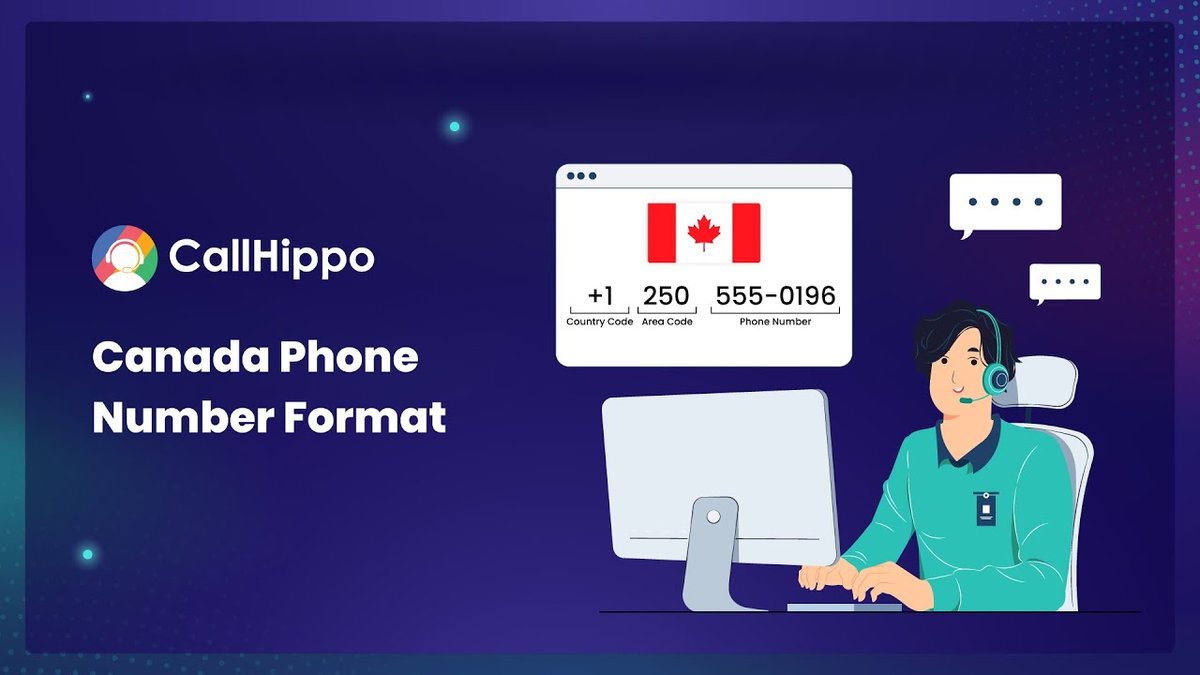
To truly appreciate a good phone number generator, it helps to understand the structure it mimics. Canadian phone numbers, like their U.S. counterparts, are 10 digits long and follow the NANP standard: +1 NPA NXX-XXXX or 1-NPA-NXX-XXXX. Let's break down each component:
+1or1(Country Code): This is the international dialling code for all countries participating in the NANP, including Canada. When dialling from outside North America, you'd typically use+1. For domestic calls within Canada or the U.S., the1is often assumed or optional.NPA(Numbering Plan Area Code): This is a critical 3-digit code that identifies a specific geographic region within Canada. For example, 416 signifies Toronto, Ontario, while 604 points to Vancouver, British Columbia. A robust generator will pull from a comprehensive list of valid Canadian area codes to ensure geographical realism.NXX(Central Office/Exchange Code): Following the area code, this is another 3-digit code. It historically identified a specific central office or telephone exchange within that area code. Today, while its original purpose has evolved with modern telephony, it remains a mandatory part of the 10-digit structure.XXXX(Line Number): The final 4 digits constitute the individual line number, unique within theNPA-NXXcombination. This is the part that truly differentiates one phone number from another within a specific exchange.
By adhering to this rigidNPA NXX-XXXXstructure and preceding it with the+1country code, the generator ensures that every number produced is not just random, but logically consistent with Canada's telecommunications framework.
Why Use a Canadian Phone Number Generator? Real-World Applications
The utility of these tools extends far beyond simple "placeholder" text. Here's where they truly shine:
- Application Development & UI Mockups:
- Form Validation: Developers can test input fields to ensure they correctly accept and validate legitimate Canadian phone number formats, preventing users from entering malformed data.
- Database Seeding: Populate development or staging databases with realistic phone numbers for thousands of fictional users, creating a dataset that mirrors production environments more closely.
- User Interface (UI) Design: Create compelling mockups and prototypes with numbers that look believable, enhancing the user experience and making demonstrations more convincing. Imagine showcasing a user profile screen with a number like
+1 (416) 555-0198instead of an obvious fake.
- Software Testing & Quality Assurance:
- Edge Case Testing: Test how your application handles various valid formats (e.g., with parentheses, dashes, or no formatting) to ensure robustness.
- Load Testing: When simulating high user traffic, generating a large volume of unique, yet valid, phone numbers can be essential for realistic stress testing without using real personal data.
- Regression Testing: Ensure that new code changes haven't inadvertently broken existing phone number validation or display logic.
- Educational & Training Purposes:
- Demonstrations: Trainers can use realistic data for software demonstrations without exposing or relying on actual customer information.
- Educational Content: When creating tutorials or examples, using correctly formatted fictional numbers provides a better learning experience than generic placeholders.
- Privacy & Security:
- Data Masking: In environments where real customer data cannot be used (due to privacy regulations like GDPR or CCPA, or company policy), generators provide a safe alternative for testing sensitive features.
- Avoid Real Data Exposure: By using fictional numbers, you completely eliminate the risk of accidentally contacting real individuals or exposing their private information during development or testing cycles.
For anyone needing to quickly and reliably generate Canadian phone numbers for these crucial tasks, you can easily Generate Canadian phone numbers using a dedicated tool.
How to Use a Canadian Phone Number Generator: A Simple Guide
Using these tools is generally straightforward and designed for efficiency. Here’s a typical workflow:
- Access the Generator: Navigate to a reliable Canadian phone number generator tool.
- Generate a Number: Look for a prominent button, usually labelled "Generate New Number" or similar. Clicking this will instantly produce a new, fictional 10-digit Canadian phone number, often displayed with a
+1country code and in a common format like(NPA) NXX-XXXX. - Copy the Number: Most generators provide a "Copy Number" button or allow you to simply click on the displayed number to copy it to your clipboard. This streamlines the process of transferring the number to your application, database, or document.
- Repeat as Needed: If you require multiple unique numbers, simply click the "Generate New Number" button again for a fresh entry.
This simple process allows for rapid creation of as many valid-looking Canadian phone numbers as your project demands, saving you time and ensuring data consistency.
Common Formatting Styles for Canadian Phone Numbers
While the underlying 10-digit structure remains constant, Canadian phone numbers are frequently displayed in various ways, each serving different aesthetic or practical purposes. A good generator understands and can sometimes display these variations, ensuring your test data looks authentic in any context.
Here are the most common formatting styles you'll encounter:
- No Formatting:
4165551234 - Use Case: Often found in databases or system-level storage where space efficiency or raw data is preferred. It's also common for programmatic handling before display formatting is applied.
- With Parentheses:
(416) 555-1234 - Use Case: One of the most common and user-friendly display formats in North America. The parentheses clearly delineate the area code, making the number easier to read and mentally parse.
- With Dashes:
416-555-1234 - Use Case: Another highly popular and legible format, particularly common in printed materials, forms, and digital displays where the parentheses might be omitted for a cleaner look.
- International Format:
+1 416 555 1234 - Use Case: Essential for clarity when a number might be dialled from outside Canada or the U.S. The
+1explicitly indicates the country code, followed by spaces for readability. This format is crucial for applications that support global communication.
Being able to generate and test against these different formats ensures your application is robust enough to handle the ways users naturally encounter and input phone numbers.
Navigating International Calling with Canadian Numbers
Since Canada shares the +1 country code with the United States and other NANP member countries, formatting a Canadian number for international calling is straightforward: you simply add +1 before the 10-digit number.
For example, a number like 416-555-1234 would become +1 416 555 1234 for international dialling. The leading + is a universal symbol indicating that the following digits are an international access code, followed by the country code itself.
This consistency within the NANP simplifies international communication to and from Canada, as the structure is familiar to callers from a vast region. When generating numbers, always consider if the international format +1 NPA NXX XXXX is more appropriate for your specific testing scenario, especially if your application handles global user bases.
A Provincial Tour: Sample Canadian Area Codes by Region
The realism of a phone number generator largely depends on its accurate representation of Canadian area codes. These 3-digit prefixes are geographically specific, giving the fictional numbers a sense of place. Here’s a glimpse at some key area codes across Canada:
- Ontario:
- Southern Ontario (Toronto & GTA): 416, 647, 437 (overlay codes for Toronto), 905, 289, 365 (overlay codes for surrounding GTA).
- Eastern Ontario (Ottawa): 613, 343.
- Southwestern Ontario (London, Windsor): 519.
- British Columbia: 604 (Vancouver & Lower Mainland), 778, 236 (overlay codes for BC), 250 (rest of BC).
- Alberta: 403 (Southern Alberta, Calgary), 780 (Northern Alberta, Edmonton), 587, 825 (overlay codes for Alberta).
- Quebec: 514 (Montreal Island), 438 (Montreal overlay), 418 (Quebec City & Eastern Quebec), 581 (overlay for 418), 819 (Western Quebec), 873 (overlay for 819).
- Manitoba: 204 (entire province), 431 (overlay).
- Saskatchewan: 306 (entire province), 639 (overlay).
- Nova Scotia & Prince Edward Island: 902 (both provinces), 782 (overlay).
- New Brunswick: 506 (entire province).
- Newfoundland and Labrador: 709 (entire province).
- Yukon, Northwest Territories, & Nunavut: 867 (all three territories).
A sophisticated generator leverages this extensive list to create numbers that aren't just random digits, but are geographically plausible within Canada. This level of detail makes your testing scenarios far more authentic, especially if your application has regional features or services.
Crucial Disclaimers: What These Numbers Are NOT For
While Canadian phone number generators are invaluable tools, it's paramount to understand their limitations and ethical boundaries. The generated numbers are randomly created, fictional, and are NOT assigned to real phones or services. This point cannot be overstated.
Here are the key disclaimers you must always keep in mind:
- Strictly for Testing Purposes: These numbers are designed for developers, testers, and designers to validate forms, populate databases, and create realistic mockups. Their utility ends there.
- Never for Actual Communication: You must never attempt to call or text any generated number. There is no guarantee who, if anyone, might eventually be assigned such a number in the future, and attempting to contact them would be a breach of privacy and potentially harassing.
- No Fraudulent Activities or Misrepresentation: Using these fictional numbers to misrepresent identity, create fake accounts, or engage in any form of fraudulent activity is unethical and potentially illegal. These tools are provided to aid legitimate development and testing, not to facilitate deception.
- Not a Source of Private Information: The numbers are generated algorithmically based on the NANP structure and do not correspond to any real individual or entity's private data. They do not offer any insight into real phone users.
Responsible use of these generators means respecting these disclaimers at all times. Their value comes from their fictional realism, not their connection to reality.
Frequently Asked Questions About Canadian Phone Number Generators
Even with a clear understanding, common questions and misconceptions often arise. Let's tackle some of these to provide absolute clarity.
Q: Are the phone numbers generated by these tools actually real?
A: No, absolutely not. The numbers are algorithmically generated to look real by following the Canadian numbering plan, but they are fictional and not assigned to any active phone line or service.
Q: Can I call or text the numbers I generate?
A: You must never attempt to call or text these generated numbers. They are for testing and placeholder purposes only. Attempting to contact them could potentially disturb a future real subscriber if the number eventually becomes active, or it could lead to an unanswered call to a non-existent number.
Q: Is it safe to use these numbers in my test database or application?
A: Yes, it is very safe, and often encouraged for privacy. Since the numbers are fictional and not tied to any real individual, using them in test environments protects actual user data and eliminates privacy concerns associated with using real phone numbers for non-production purposes.
Q: How accurate are the area codes generated?
A: Reputable generators use up-to-date lists of active Canadian area codes, making the generated numbers highly accurate in terms of geographical plausibility. This ensures that the numbers reflect a realistic distribution across provinces and territories.
Q: Can these generators create numbers for specific Canadian provinces or cities?
A: Many advanced generators will allow you to specify an area code or even a province, ensuring the generated numbers are localized to your testing needs. If not, they will typically draw from a comprehensive list of all valid Canadian area codes to provide a diverse set.
Q: Do I need to worry about privacy when using these tools?
A: No. Because the numbers are entirely fictional and randomly created, there is no inherent privacy risk to you or any real individuals when using a Canadian phone number generator responsibly for its intended purpose.
Moving Forward with Confidence: Embracing Realistic Test Data
In the fast-paced world of software development and digital product creation, efficiency and accuracy are paramount. Understanding Canadian Phone Number Generators provides a clear path to achieving both when dealing with sensitive and format-specific data like phone numbers. By leveraging these tools, you can ensure your applications are robust, your forms validate correctly, and your user interfaces present believable information, all without compromising privacy or risking accidental real-world contact.
From testing complex communication flows to populating expansive databases with realistic but safe information, the ability to effortlessly generate authentic Canadian phone numbers empowers you to build better, more reliable software. Embrace these tools as an essential part of your development toolkit and move forward with confidence, knowing your test data is as good as the real thing – without being the real thing.